
Autonomous Navigation
Onboard localization, mapping and path planning let our rovers move themselves through unstructured space, with no operator holding the sticks.
02 Domain
Autonomous mobile robots that go where drones can't, staying on the ground, up close, and working for the long haul. Built to navigate, perceive and keep working.
On the ground
Altax designs, fabricates and programs all-terrain rovers and mobile robots (the chassis, the electronics and the autonomy) entirely in-house. They exist for the jobs that need to happen at ground level: autonomous navigation, close-range inspection and persistent data collection, far longer than any aircraft can loiter.
Capabilities
Every platform is assembled from the same disciplines: perception, autonomy, mobility and payload integration, all tuned to the mission in front of it.
Onboard localization, mapping and path planning let our rovers move themselves through unstructured space, with no operator holding the sticks.
Intel RealSense-class depth sensing fused with cameras builds a live 3D picture of the world for obstacle avoidance and close-range inspection.
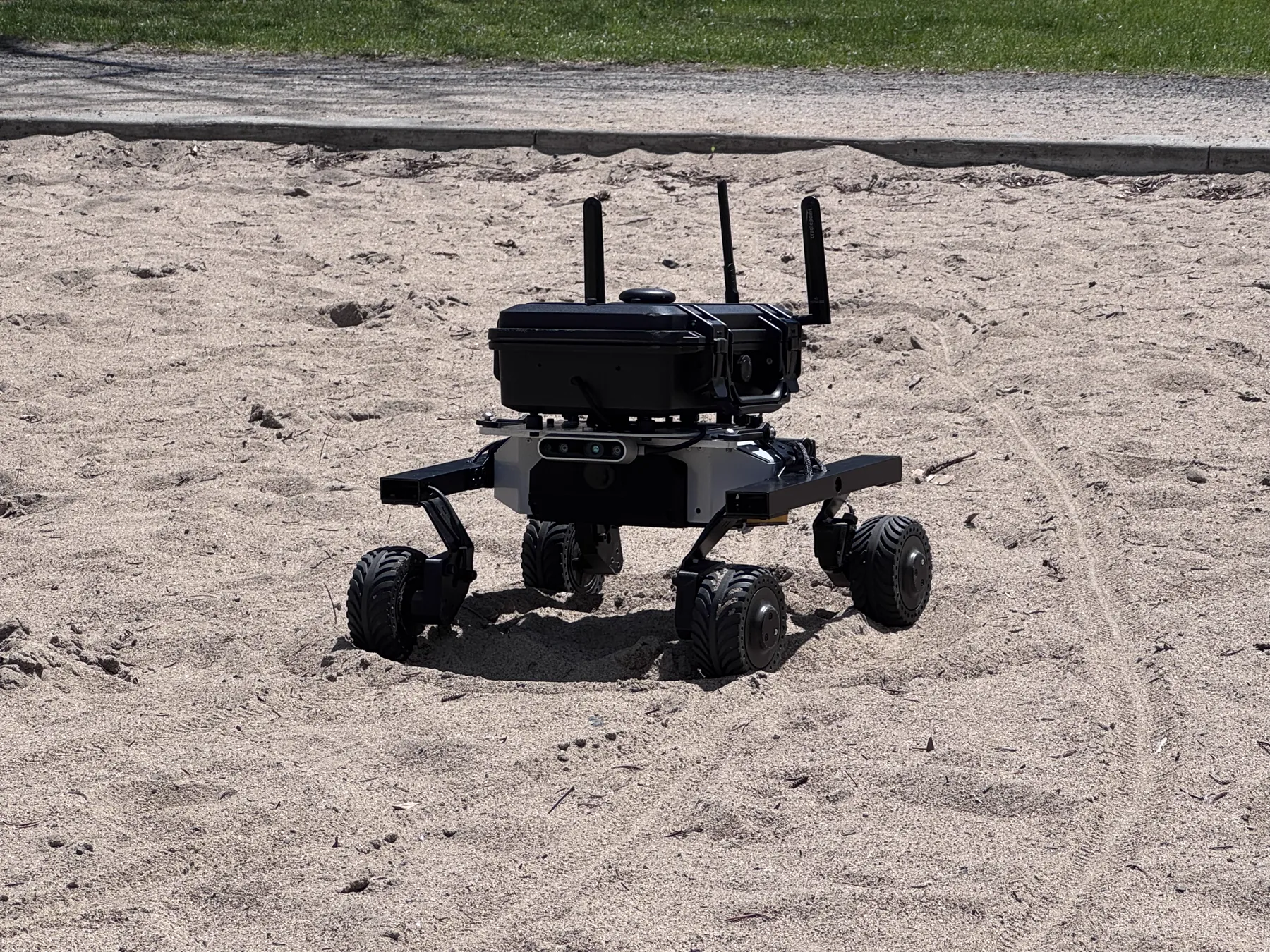
Multi-wheel drivetrains and rugged chassis built to keep traction over rough ground, loose sand and snow, where wheels usually give up.
Several machines sharing a task and a map, moving as one system, for coverage, redundancy and jobs a single robot cannot finish alone.
When a human needs to take the wheel, low-latency remote control with live video and telemetry puts an operator anywhere in the loop.
Sensor masts, cameras, manipulators and instrument packages, designed and mounted in-house to fit the mission, not the other way around.
The platforms
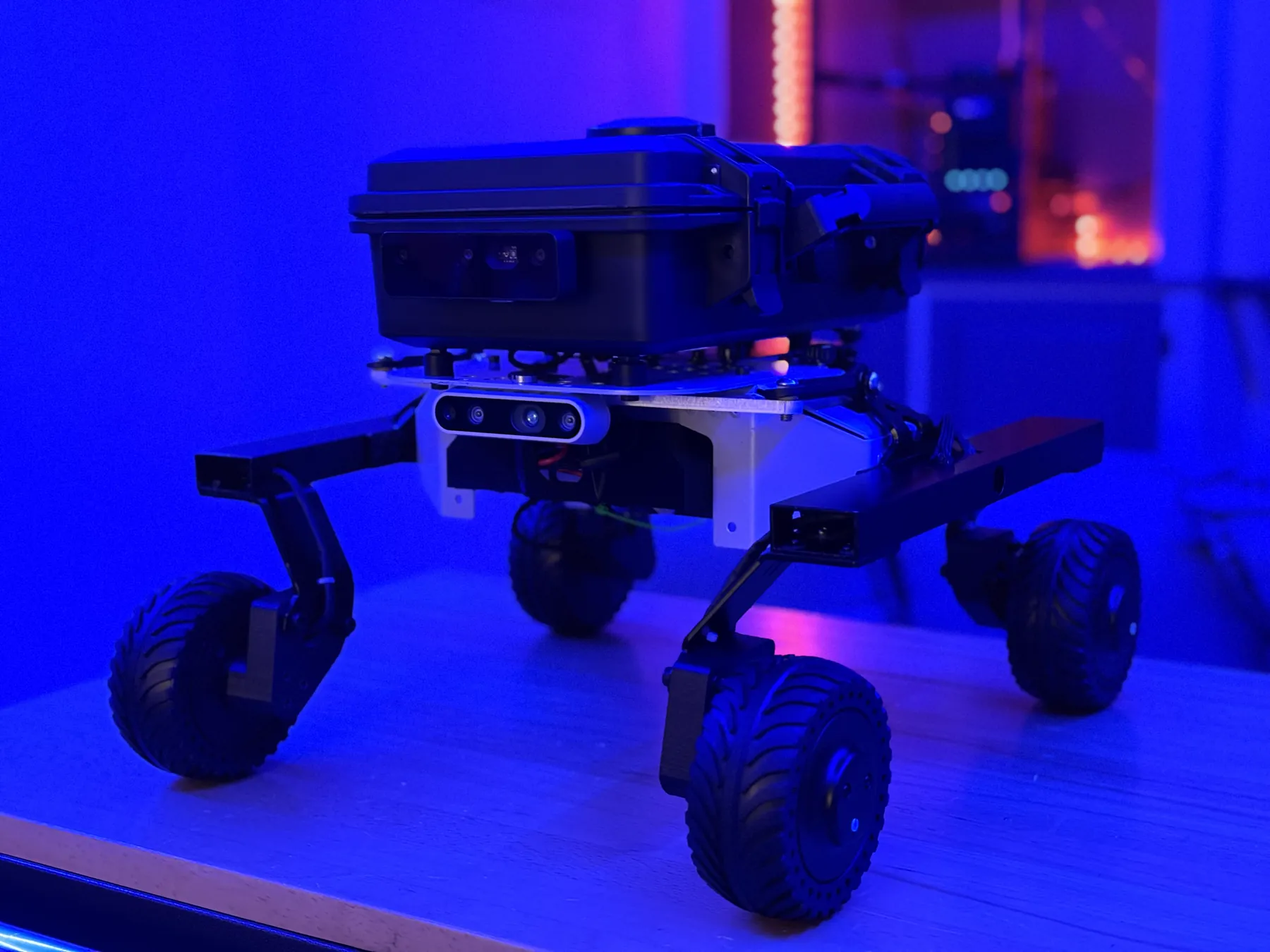
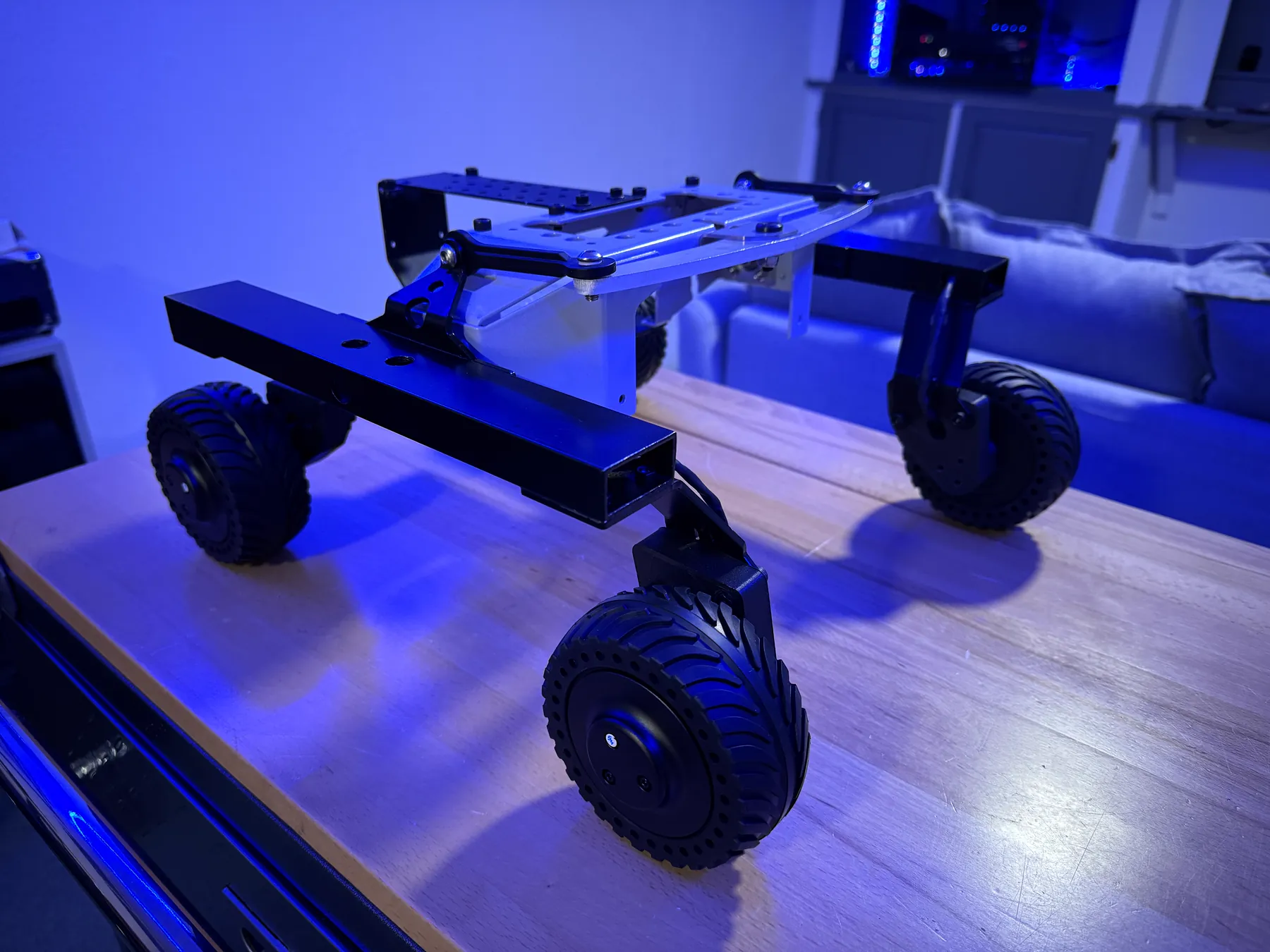
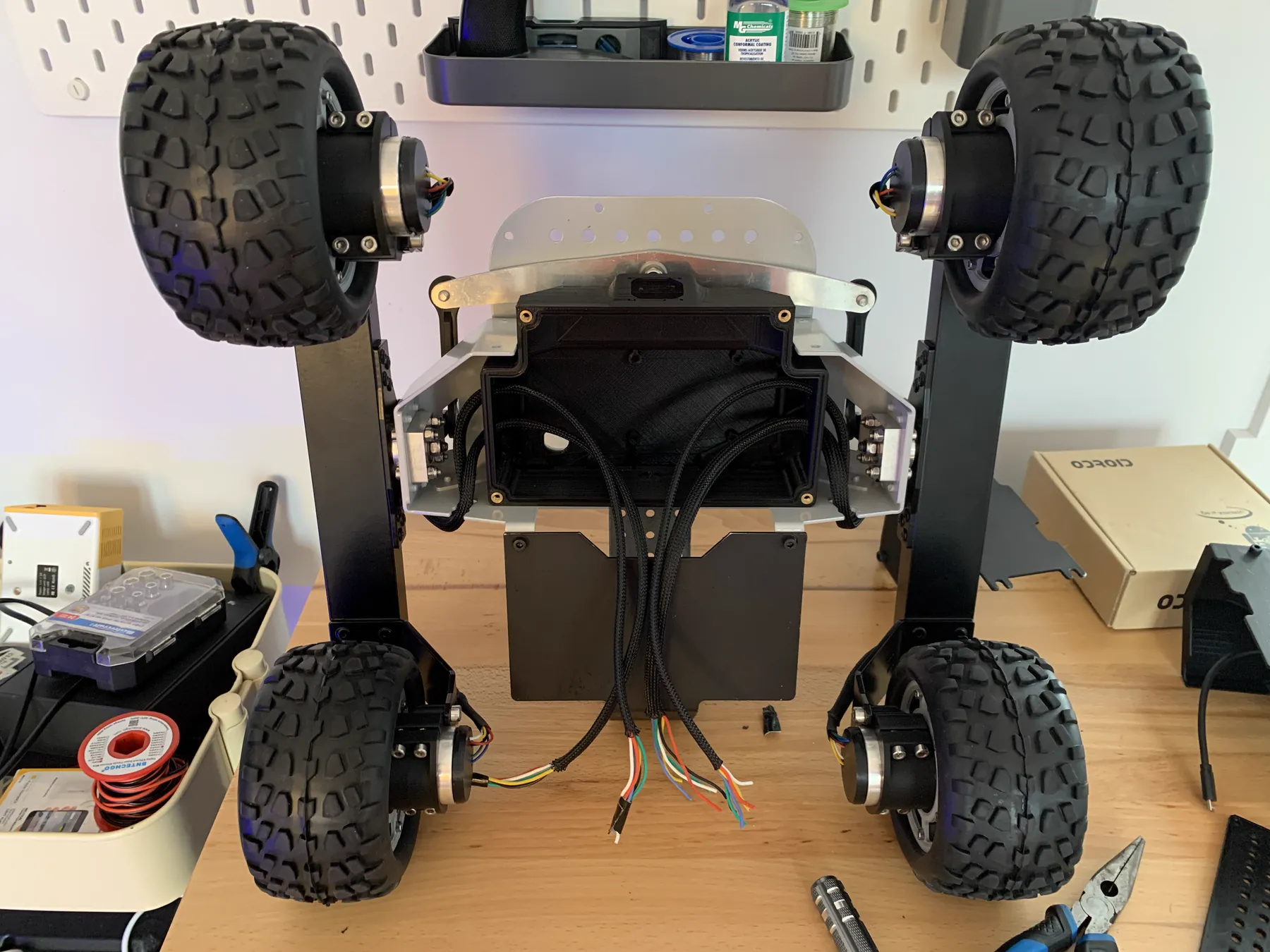
From a depth-camera rover on the bench to a rugged UGV crossing a field, all designed, fabricated and driven by us. This is what ground autonomy looks like at Altax.
Where they work
Persistent ground-level scouting of crops, rows and terrain, collecting close-range data on a schedule, over hours, not minutes.
Sending a robot instead of a person into tight, cluttered or hazardous spaces to inspect assets up close and bring the data back.
Indoors, underground or under canopy where satellite fixes fail, onboard perception keeps the robot located and the map coherent.
Configurable, well-instrumented rovers that serve as a stable base for teams developing their own autonomy, sensing and control.
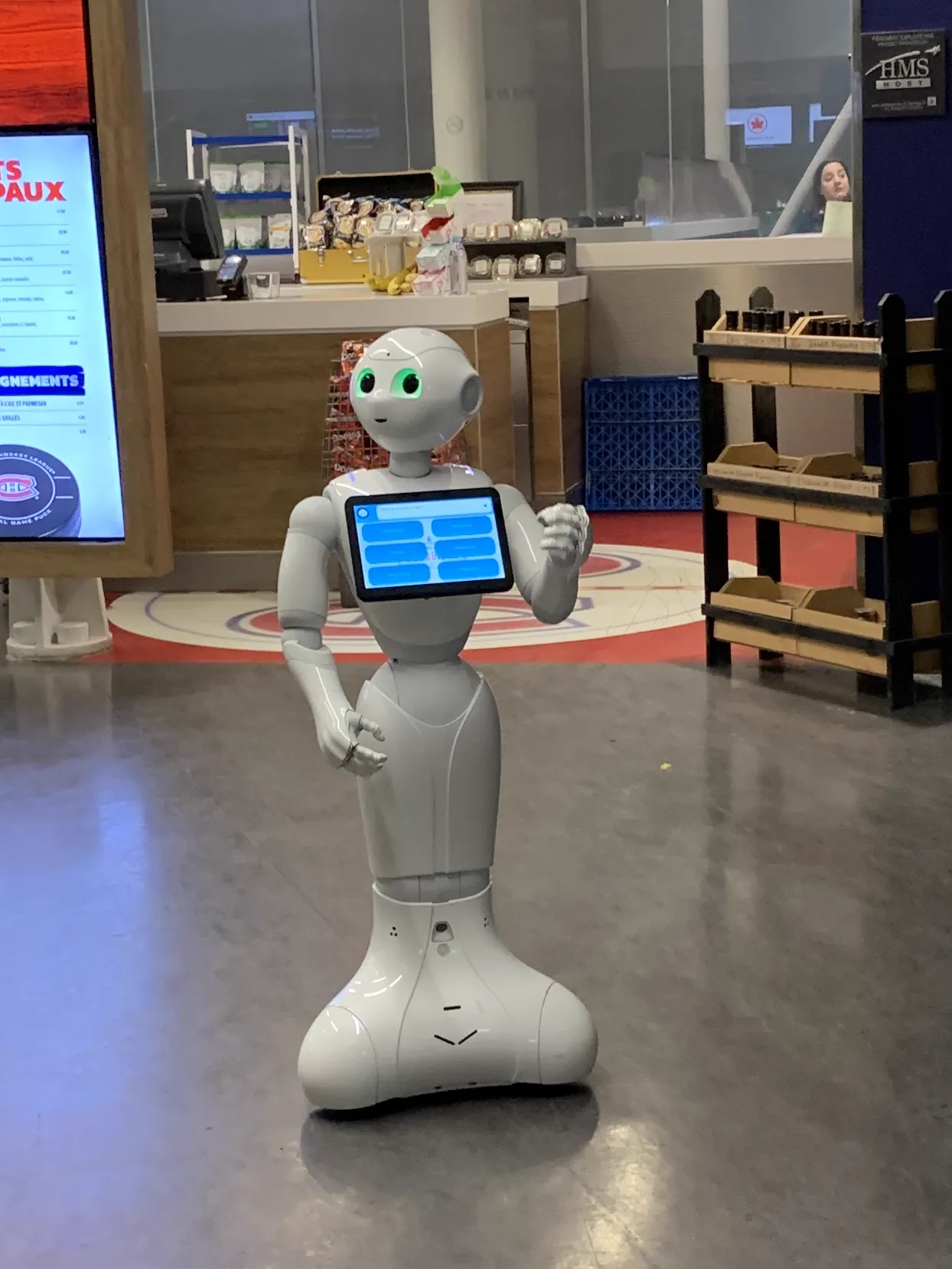
Beyond wheels
Wheeled rovers are our core, but the same autonomy and integration work extends to humanoid and service platforms. We put them to work inside larger systems, as one more form factor in the toolkit, chosen when the task calls for it.
Next step
Tell us the terrain, the sensors and the job. We'll scope a platform (or a fleet) built to navigate it and bring the data back.